
Not So Alone: Co-Creation, Youth Voice, and the Power of Connection
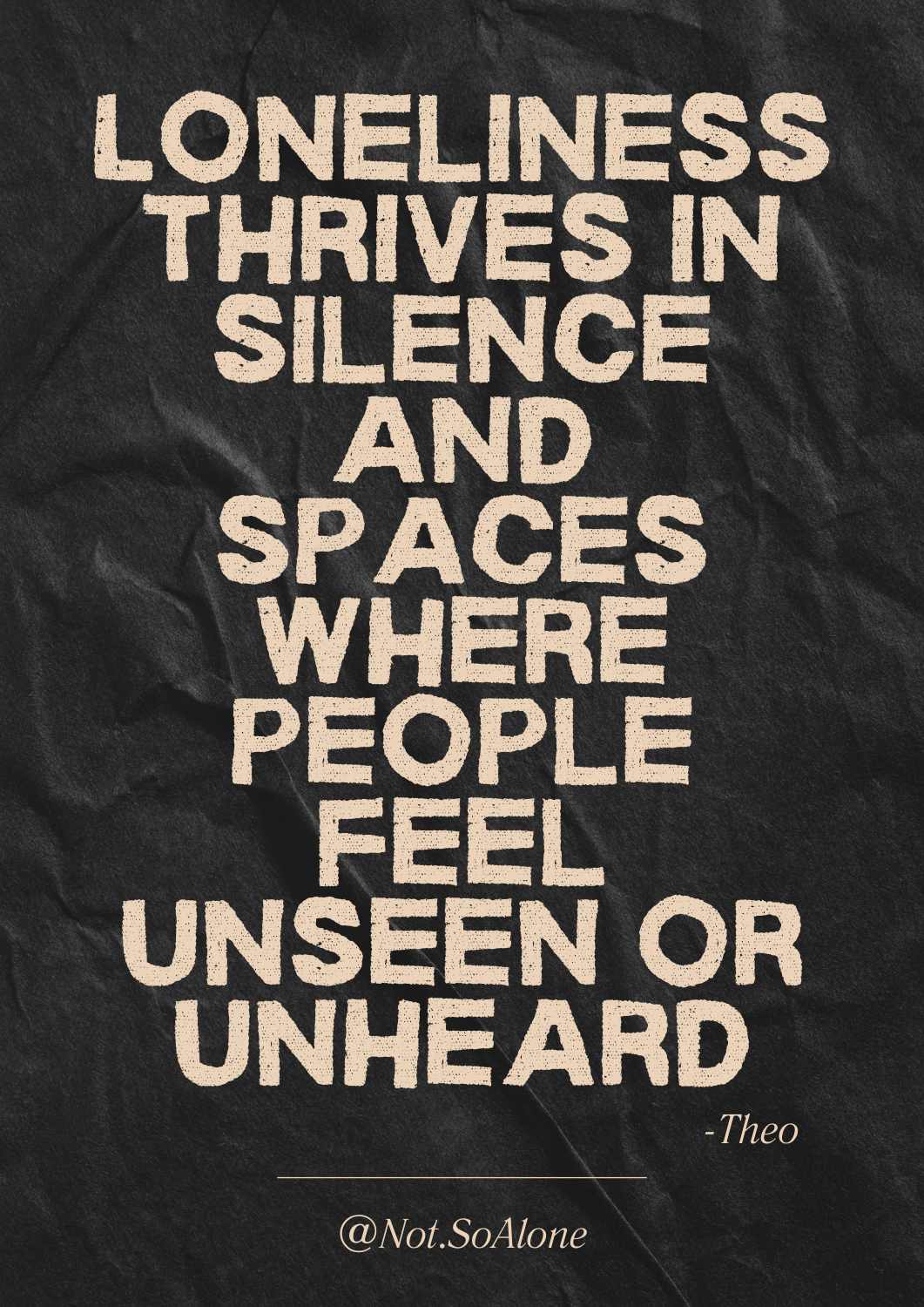
Over the past two and a half years, CREATE has been learning what it truly means to work with young people, not just for them. Our research is grounded in an ethical commitment: relationships with young people should never feel transactional. We prioritise trust, care, and mutual respect, because meaningful participatory research depends on meaningful relationships.
During Loneliness Awareness Week in June, we hosted a webinar bringing together researchers and members of our Young Persons’ Advisory Group (YPAG) to reflect on two stories:
- How CREATE has built authentic partnerships with young people.
- How those young people turned ideas into action through the Not So Alone campaign.
This conversation revealed lessons about co-production, trust, and the importance of creating tangible impact for young people in participatory research.
1. Building Authentic Partnerships with Young People
From the outset, CREATE committed to moving beyond tokenistic involvement. That meant rethinking everything, from safeguarding to how we structure meetings. Here’s what we learned:
Safeguarding and Psychological Safety
Before any creative work began, we built a strong safeguarding culture. Alongside clear policies, every Living Lab included a calm space, stocked with fidget toys, journals, and quiet corners, so young people could take time out if things felt overwhelming. This approach acknowledged mental health needs and reinforced choice: young people could step back or leave entirely, ensuring both physical and psychological safety.
Living Informed Consent
Engagement is always an invitation. Young people can share as much or as little as they want, opt out of activities, or leave the space altogether. That flexibility has been key to building trust.
Meeting Young People Where They Are
Life is busy, school, jobs, family. Attendance is optional, and there’s no guilt for missing a session. Respecting this reality has helped sustain long-term involvement.
Scaffolding Roles and Growing Independence
Young people asked for both structure and freedom. To achieve this, we adopted a dual approach: working with skilled facilitators and using flexible scaffolding within Living Lab sessions, dynamically responding to feedback and tailoring activities in real time. Alongside this, we created opportunities inside and outside the research setting for young people to build relationships and rapport with the team and each other through icebreakers and fun activities like laser tag.
As trust deepened and confidence grew, young people stepped into proactive roles, shaping agendas, leading discussions, and influencing decisions on everything from activity formats to catering. As one YPAG member put it:
Everything is very fluid and up for negotiation… even on the day.
The Power of Time and Patience
One young person spent most of their first Living Lab in the calm space. Months later, they were fully engaged in group activities. Their journey taught us something vital: prioritising relationships early on may mean research takes a back seat, but meaningful research only happens when trust and flexibility come first.
2. The Not So Alone Campaign: Turning Insight into Action
While CREATE’s research aims focus on long-term impact, young people wanted to see change now. That’s how Not So Alone was born, a youth-led initiative tackling adolescent loneliness.
Why a Campaign?
The group knew loneliness couldn’t be ‘eradicated,’ but conversations could make it less isolating. Their question was simple: How can we create spaces where young people feel heard and understood?
What They Created
Instagram was the starting point, a creative, visual platform ideal for sharing artwork, poems, and reflections on youth mental health and loneliness.
As the campaign evolved, young people wanted real-time conversations. Podcasting became the natural next step—accessible, authentic, and unscripted. Topics emerged organically from monthly meetings, sparked by questions like:
“Do you struggle when friends leave for university?"
These episodes aren’t scripted, they’re real conversations.
Core Message
The name says it all: Not So Alone. It’s not about eliminating loneliness, it’s about reminding young people that their feelings are valid and shared. As one member explained:
We wanted people to feel understood… even if we don’t fully understand, we can relate.
Unexpected Outcomes
Beyond the campaign, involvement built confidence and independence. For some, attending Living Labs meant traveling alone for the first time, a milestone that rippled into personal growth and family trust.
Key Insights for Future Youth-Led Research
- Flexibility is Non-Negotiable: Co-production thrives when agendas bend to participants’ needs.
- Tangible Impact Matters: Young people want to see change now, not just in future publications.
- Community is a Protective Factor: Monthly online meetings and in-person labs created belonging that countered isolation.
- Shared Fun Builds Trust: Bowling and laser tag weren’t just icebreakers, they were investments in rapport.
CREATE has shown us that co-production isn’t just a method, it’s a mindset. When young people are trusted as equal partners, research becomes a space for empowerment, creativity, and real-world impact. The Not So Alone campaign proves that when youth voices lead, they don’t just inform research, they transform it.
You can listen to the full podcast episode of the webinar by clicking the link below.