
Do You Mean What I Mean?
Language, Power, and Participation in Youth Mental Health Research
Language shapes how we work together—and sometimes how we fail to. During the webinar Do you mean what I mean? Avoiding misunderstandings in youth mental health research, discussions with young people from CREATE Young Person’s Advisory Group (YPAG), and researchers Dr Sylvan Baker, Dr Crissie Harney and Professor Paul Cooke revealed that words central to our practice—like research, data, agency, and resilience—carry very different meanings depending on who you ask. These differences are not trivial; they influence participation, power, and trust. This blog shares key insights and invites you to reflect on what these findings mean for your own work.
How often do we pause to ask what our words mean to others?
Why Words Matter
When language isn’t shared, collaboration suffers. Through consultations, Padlet tasks, and creative Living Labs, CREATE explored how young people and researchers interpret key mental health terms. What emerged was a reminder that vocabulary is never neutral—it carries assumptions shaped by experience and context. How often do we pause to ask what our words mean to others?
Research: Rigid or Fluid?
Contributors shared contrasting views on what research represents. For some young people, the word conjured images of schoolwork—rigid, formal, and stressful. Arts practitioners spoke of research as a journey, a process of exploration, while psychologists often framed it as answering predefined questions and producing measurable outcomes.
These differences can create friction, but they also open the door to innovation—especially in transdisciplinary teams. When structured approaches meet creative ones, it challenges assumptions and breaks down hierarchies. In our work, this tension led to new ways of thinking and working together, adding depth to predefined ideas and making space for broader, more inclusive perspectives in youth arts-based mental health research.
These differences can create friction, but they also open the door to innovation
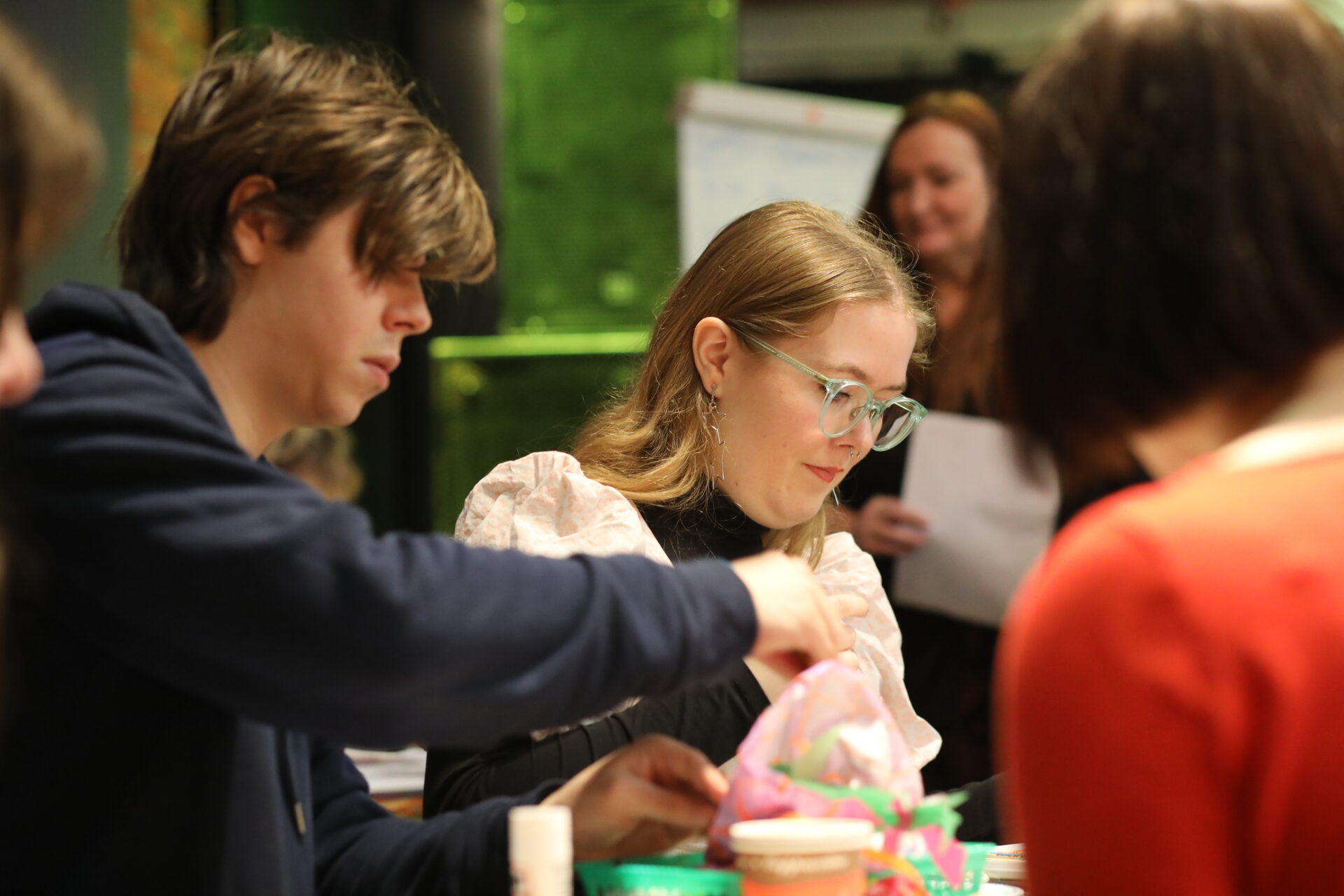
One example of this is our Living Labs, where young people composed music to express what the term research felt like—it was described as “ominous” and “chaotic.” This creative exercise gave participants a voice beyond words and their response surprised us and helped us see the emotional weight some research language can carry. How might you make research feel more collaborative?
Resilience: Helpful or Harmful?
Few terms sparked as much debate as resilience. Young people described it as a burden—used by adults to excuse lack of support: “You’re resilient, you’ll cope.” Others linked it to unrealistic notions of “bouncing back” quickly from adversity. Researchers echoed these concerns, warning that resilience risks becoming a metric or a label.
How is this term used in your work, and what assumptions might it carry?
These approaches didn’t just produce data; they opened dialogue, surfaced tensions, and validated diverse perspectives.
Creative Methods as Disruptors
Using creative methods like music gave young people a different way to share their ideas—one that felt more open and less formal than traditional research settings. These approaches didn’t just produce data; they opened dialogue, surfaced tensions, and validated diverse perspectives. Could creative methods help you uncover hidden assumptions in your own projects?
Rather than imposing fixed meanings, invite dialogue about what key terms mean in your context.
Implications for Research Practice
Several practical insights emerged from these discussions:
- Recruitment materials matter: Participant information sheets often rely on jargon that alienates young people.
- Co-creating definitions is essential: Rather than imposing fixed meanings, invite dialogue about what key terms mean in your context.
- Reflective tools help: The ‘Do You Mean What I Mean’ glossary developed through this work is not a dictionary but a provocation—a resource to spark conversations about language and power.
Working With Tension, Not Against It
The goal is not to find “better” words but to recognise and work with the tensions that arise when different worlds collide. Interdisciplinary research thrives on these frictions—if we are willing to listen.
 Want to explore further? Listen to the full webinar on our CREATE webinar series podcast, download the glossary and join the conversation about language, equity, and creativity in youth mental health research. Share your thoughts— How do you navigate language differences in your work?