
Addressing adolescent loneliness through the arts
“Loneliness is often dismissed as an individual problem, but in reality, it is a social issue that affects many, particularly teenagers.”
These are the words of one of Project CREATE’s Young Persons’ Advisory Group (YPAG) members.
The YPAG is at the heart of this UKRI-funded initiative, which brings together researchers, social scientists, arts practitioners and young people to improve arts-based mental health research, with a focus on adolescent loneliness.
Loneliness is a significant issue among young people in the UK. Recent data shows that 12% of individuals aged 17 to 22 report feeling lonely often or always (NHS Digital, 2022). And a further 70% of 18- to 24-year-olds say they experience loneliness at least some of the time (The Centre for Social Justice, 2024). Among all adults, 7% report feeling lonely often or always, with 49% experiencing loneliness some of the time (Office for National Statistics, 2025).
At Project CREATE, we are not setting out to “solve” or eradicate loneliness – nor do we believe that would be possible. Loneliness is a universal human experience, and most people feel it at some point
Factors contributing to young people experiencing loneliness include life transitions such as moving for university or work and disruptions caused by the COVID-19 pandemic. Even if digital life offers constant connectivity, it often replaces deeper, in-person interactions and can leave young people feeling left out and struggling with their self-confidence.
At Project CREATE, we are not setting out to “solve” or eradicate loneliness – nor do we believe that would be possible. Loneliness is a universal human experience, and most people feel it at some point.
We suggest one way to help ease loneliness might be to change how people relate to it. Not as something to be ashamed of, but as a common human experience that can be expressed and even transformed through creativity, either together with others or alone.
Loneliness, however, becomes a social problem when it is prolonged and begins to affect a person’s mental, emotional, or physical health, often referred to as chronic loneliness.
Creative practices like music, theatre, dance and poetry offer ways for young people to express themselves and engage with their emotions, often in ways that traditional, adult-led methods cannot
Our research explores how youth arts-based mental health approaches can be made more effective and inclusive by truly collaborating with young people, rather than working on them. Creative practices like music, theatre, dance and poetry offer ways for young people to express themselves and engage with their emotions, often in ways that traditional, adult-led methods cannot.
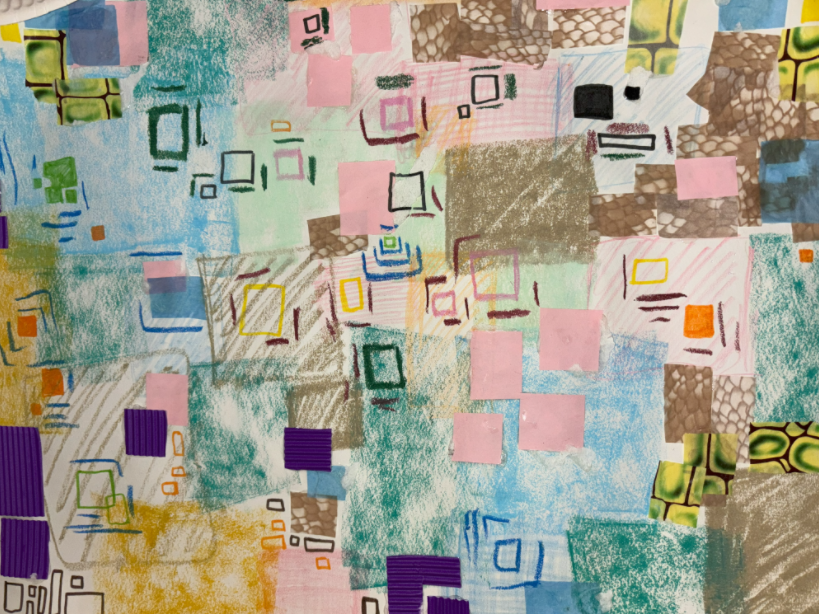
Through Project CREATE, the YPAG has engaged in creating drawings, collages, photographs, short films and poems. They are also behind the youth-led online loneliness campaign “Not So Alone,” which features a podcast and an Instagram account. It is about young people helping young people realise they are not alone.
As one of the YPAG members put it after taking part in one of our arts-based Living Labs:
 “While loneliness doesn’t vanish entirely, creativity transforms it into something meaningful – offering insight, fostering connection, and creating a quiet sense of belonging through shared creative experiences.”
Project CREATE concludes in October 2025, by which time a resource hub featuring tools, frameworks and methods from the findings will be well underway. The aim is to offer practical resources that researchers and arts practitioners can use and continue to build on to advance inclusive, youth-informed arts approaches to mental health.
By Marian Sommer, Project CREATE (published in connection with Loneliness Awareness Week 2025).